Grooming small dogs experiencing hair loss requires a gentle, deliberate approach to protect their sensitive skin and promote coat recovery. Hair loss, or alopecia, is relatively common in smaller breeds like Chihuahuas, Pomeranians, Yorkies, and Dachshunds. Whether your dog is dealing with normal seasonal shedding or an underlying issue like allergies, parasites, or hormonal imbalances, your grooming routine needs to shift from styling to soothing and protecting.
Step 1: Rule Out the ‘Why’ Before Reaching for the Brush
Grooming can either aid or aggravate hair loss depending on the root cause. Before attempting intensive de-shedding, check your pet for secondary symptoms. If the hair loss is accompanied by an unpleasant odour, severe itching, scabbing, or symmetrical bald spots on their sides, pause home treatments and consult a veterinarian.
- Inflammatory Causes (Itchy/Red Skin): Parasites (fleas/mites), ringworm, or food/environmental allergies. Aggressive brushing will damage the skin barrier further.
- Non-Inflammatory Causes (Normal-Looking Skin): Hormonal shifts (like Hypothyroidism or Cushing’s disease) or genetic conditions. The hair follicles are simply inactive, making the skin fragile.
- Post-Clipping Alopecia: Shaving a double-coated small dog (like a Pomeranian) can damage the hair follicles, leading to patchy or non-existent regrowth.
Step 2: Swap Your Grooming Toolkit
When a dog is losing hair, their skin is highly exposed. Rough metal brushes can cause micro-tears, leading to secondary bacterial infections.
- For Short/Smooth Coats (e.g., Chihuahuas, Dachshunds): Ditch standard wire slickers. Use a soft rubber grooming mitt or curry brush. Massage in gentle, circular motions to lift loose fur and stimulate blood flow to the hair follicles.
- For Long/Double Coats (e.g., Pomeranians, Yorkies): Use a soft-bristled brush or a pins-with-protective-tips slicker. Be incredibly cautious with undercoat rakes and de-shedding blades, as they can drag heavily on bare skin patches.
- The Golden Rule: Always brush in the direction of hair growth using light pressure.
Step 3: Modify the Bathing Routine
Bath time is excellent for loosening dead hair so it doesn’t clutter your home, but over-bathing will dry out the skin and accelerate hair breakage.
- Product Selection: Use a mild, oatmeal-based or hypoallergenic dog shampoo. If your vet has diagnosed a fungal or bacterial issue, switch strictly to their prescribed medicated shampoo.
- Conditioning is Crucial: Dry, brittle hair snaps easily, making hair loss look worse than it is. Apply a shed-control or deep-hydrating conditioner, leaving it on for 3 to 5 minutes to restore the skin’s moisture barrier before rinsing thoroughly.
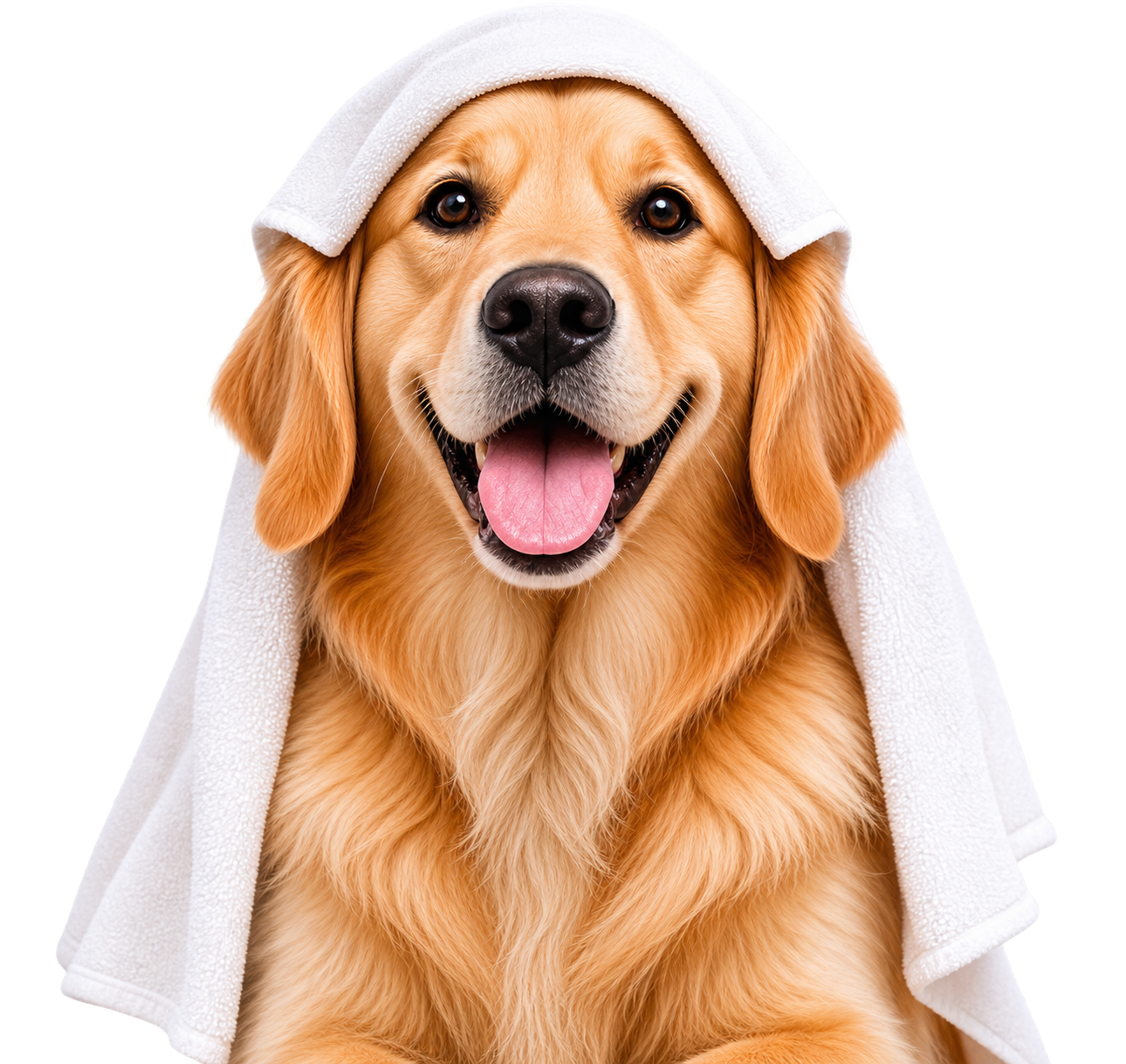
- Drying: Avoid high-heat blow dryers, which irritate compromised skin. Towel-dry gently (blotting rather than rubbing), or use a blow dryer strictly on the coolest setting.
Step 4: Support Coat Recovery from the Inside Out
Grooming only handles the external elements; real hair health begins internally.
- Omega Fatty Acids: Consider integrating a vet-approved Omega-3 and Omega-6 fatty acid supplement (such as high-quality fish oil or flaxseed oil) into their diet. This drastically reduces skin inflammation and strengthens the root of the hair shaft.
- Hydration: Keep clean water easily accessible; dehydrated skin sheds at a much faster rate.
This is for informational purposes only. For medical advice or diagnosis, consult a professional. AI responses may include mistakes
🐾 “Healthy fur starts with healthy care—groom regularly, love endlessly, and keep those little coats shining!” ✨🐶
Was this article helpful?
Your feedback helps us create better content.