If you ask different dog parents how much exercise their dogs need, you’ll probably get completely different answers.
One person might take their dog out for a quick 20-minute walk, while another might spend an hour playing, walking, and running with theirs.
So, how much exercise does a dog actually need?
The simple answer is: it depends on the dog.
Their breed, age, health, energy level, and even the weather can make a big difference. A young Labrador may happily keep playing when you’re ready to sit down, while a senior Shih Tzu might be perfectly happy with a slow walk around the neighbourhood.
The goal isn’t to make your dog tired at any cost. It’s to give them enough movement and mental stimulation to keep them happy and healthy.
1. Start With Your Dog’s Energy Level
Some dogs seem to have unlimited energy. Others are much happier spending most of the day sleeping.
As a general idea:
| Energy Level | Examples | Rough Daily Activity |
| High energy | Border Collies, German Shepherds, Labradors, Huskies | Around 90–120+ minutes |
| Moderate energy | Golden Retrievers, Beagles, Cocker Spaniels, Indie dogs | Around 45–75 minutes |
| Lower energy | Basset Hounds, Great Danes, Bulldogs, Shih Tzus, Pugs | Around 20–40 minutes |
These aren’t strict numbers. Two dogs of the same breed can have completely different energy levels.
A young, healthy Labrador might want much more activity than an older Labrador, for example.
Instead of watching the clock too closely, pay attention to your dog and how they behave before and after exercise.
2. Puppies Need a Different Approach
Puppies can make you think they have endless energy. One minute they’re running around the house, and the next they’re fast asleep.
But growing puppies shouldn’t be pushed into long or intense exercise sessions.
Their bones and joints are still developing, so it’s better to keep things fun and age-appropriate. Short walks, gentle play, exploring new smells, and little training sessions can be great for them.
You may have heard of the “5-minute rule”, which suggests around five minutes of structured exercise for each month of a puppy’s age. It’s a useful starting point, but it isn’t a rule that works
perfectly for every puppy.
Your vet can give you more specific advice based on your puppy’s breed, size, growth, and health.
And don’t forget that puppies need plenty of sleep too!
3. Exercise Isn’t Just About Walking
When we think about exercising a dog, we usually imagine a walk around the neighbourhood.
But dogs need mental stimulation as well.
Sometimes, letting your dog stop and sniff during a walk can be just as valuable as making them walk faster. Their noses are constantly taking in information from the world around them.
So instead of rushing your dog through the entire walk, give them some time to explore and sniff.
You can also keep them busy at home with simple activities:
- Hide a few treats around the house and let them search for them.
- Use puzzle toys or food toys during mealtimes.
- Play a gentle game of fetch.
- Practise simple commands such as sit, stay, or come.
- Give them safe toys they can chew or play with.
On very hot afternoons or rainy days, these activities can be a great way to keep your dog busy without spending a long time outside.
4. How Do You Know If Your Dog Needs More Exercise?
Your dog can’t exactly tell you, “I need another walk,” but their behaviour can give you some clues.
A dog that isn’t getting enough physical or mental activity may start showing behaviours such as:
- Getting restless in the evening.
- Chewing things they normally leave alone.
- Digging or getting into trouble around the house.
- Constantly looking for attention.
- Having lots of sudden bursts of energy
Of course, these behaviours can have other causes too. So don’t assume that every behaviour problem simply means your dog needs more exercise.
Sometimes they may need more training, rest, attention, or a check-up with the vet.
5. And Yes, You Can Exercise Your Dog Too Much
More exercise isn’t always better.
If your dog starts slowing down, repeatedly sitting or lying down during a walk, limping, or looking uncomfortable, it’s time to stop and let them rest.
Also keep an eye on how they are doing after exercise. If your dog is unusually stiff the next morning or seems reluctant to get up, the previous day’s activity may have been too much.
For older dogs especially, a couple of shorter walks may be easier on their joints than one long walk.
6. Don’t Forget the Weather
This is especially important in India.
A walk that feels perfectly comfortable in the morning can be exhausting in the afternoon, particularly during the hotter months.
Try taking walks during the cooler parts of the day and avoid making your dog run around in strong afternoon heat.
Always carry water when you’re out for longer walks, and give your dog a chance to rest.
Flat-faced breeds such as Pugs and Bulldogs can have an especially difficult time in hot weather because they don’t cool themselves as efficiently as many other dogs. Be extra careful
with them during summer.
And don’t forget about the ground under their feet. Hot roads and pavements can become uncomfortable or even harmful to your dog’s paw pads
7. Find What Works for Your Dog
There isn’t one perfect exercise routine that works for every dog.
Your dog’s ideal routine will depend on their age, breed, personality, health, and daily energy level.
Some dogs love long walks. Others prefer several short outings with plenty of sniffing and play in between.
So don’t worry too much about hitting a particular number of minutes every single day.
Pay attention to your dog, keep their routine regular, mix physical activity with mental stimulation, and give them enough time to rest.
A happy dog isn’t necessarily the one that comes home completely exhausted. It’s the one that gets the right amount of activity, attention, and rest for their needs.
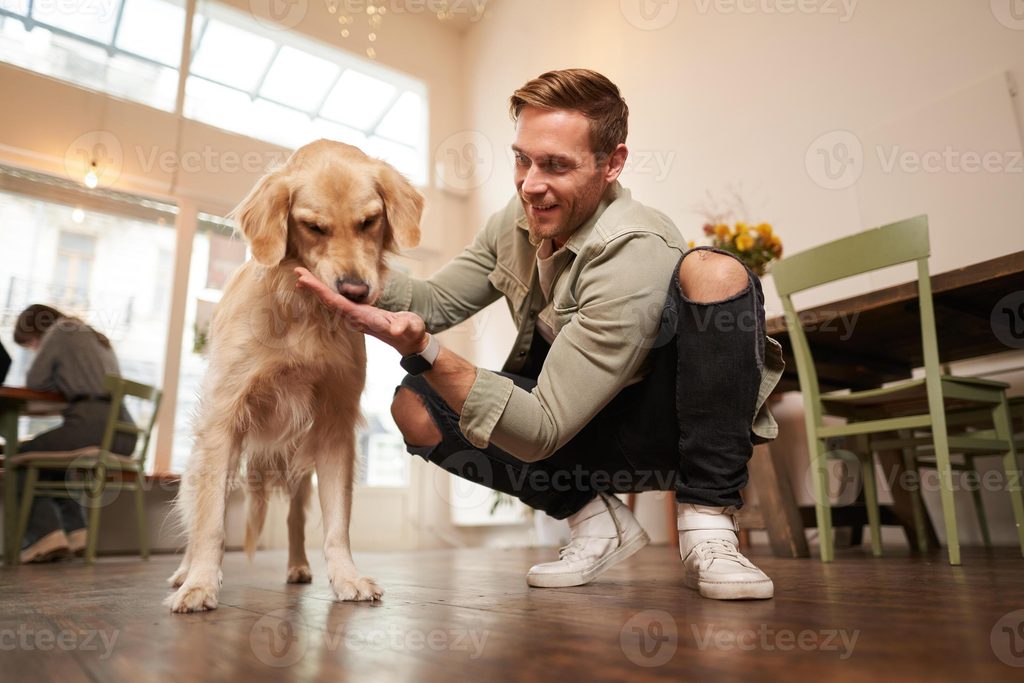
“🐶 Move, play, and wag—exercise is the secret to a happier, healthier dog!” 🐾❤️
Was this article helpful?
Your feedback helps us create better content.