
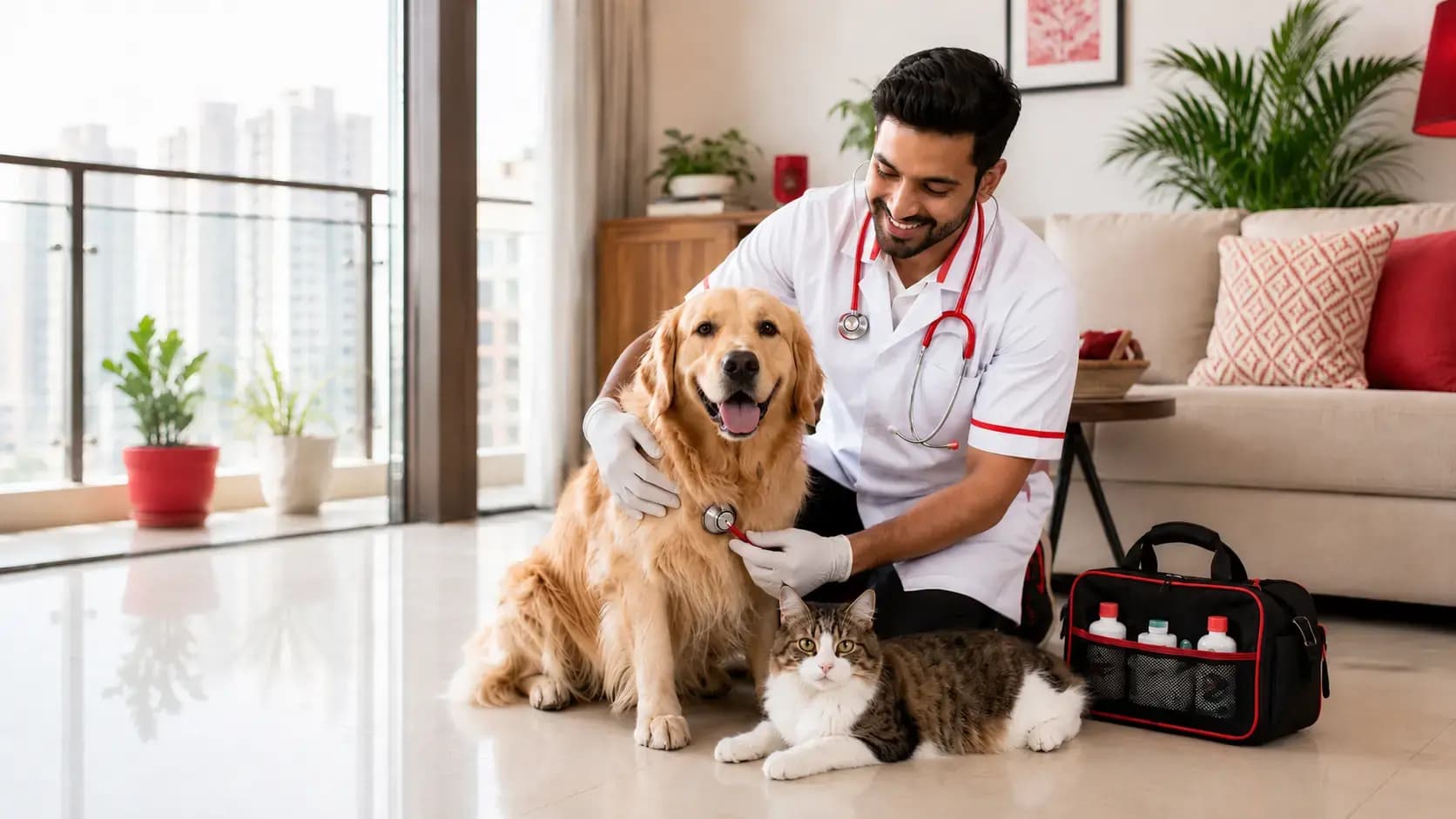
Vaccinations are one of the most important parts of preventive healthcare for pets. Just like regular health checkups, vaccinations can help protect dogs and cats from several serious and potentially preventable diseases.
Whether you are bringing home a new puppy, kitten, or caring for an adult pet, keeping their vaccinations up to date is an important part of responsible pet parenting.
Vaccination schedules can vary depending on your pet’s age, lifestyle, health, location, and risk of exposure. Your veterinarian can recommend the vaccination plan that is appropriate for your pet.

1. Why Are Pet Vaccinations Important?
Vaccinations help prepare your pet’s immune system to recognize and respond to specific infections.
Some diseases can cause serious illness and may require extensive treatment. Keeping your pet’s vaccinations up to date can reduce the risk of certain preventable diseases and support their overall health.
Vaccination can also be an important part of protecting other animals in the community.
2. When Should Your Pet Get Vaccinated?
The appropriate vaccination schedule depends on several factors, including:
- Your pet’s age.
- Species and breed.
- Previous vaccination history.
- Health condition.
- Lifestyle and activity level.
- Exposure to other animals.
- Local disease risks.
Puppies and kittens generally require a series of vaccinations during their early months, followed by booster vaccinations as recommended by a veterinarian.
Adult pets may also need regular boosters to maintain protection.
Never rely on a one-size-fits-all vaccination schedule. Always follow your veterinarian’s recommendations.
3. Core and Lifestyle-Based Vaccines
Not every pet needs exactly the same vaccines.
Veterinarians generally consider certain vaccines especially important for protecting pets against serious diseases, while other vaccines may be recommended based on lifestyle and exposure risks.
For example, a pet that frequently visits boarding facilities, dog parks, grooming centers, or interacts with many other animals may have different vaccination needs from a pet that stays mostly indoors.
Your veterinarian can help determine which vaccinations are appropriate.
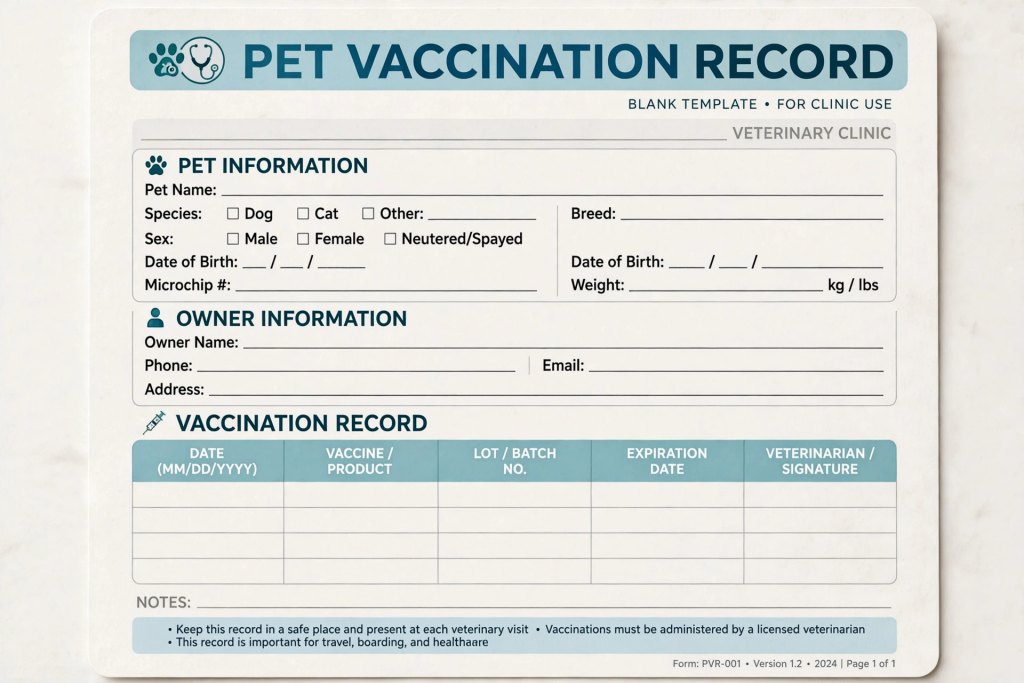
4. Keep a Record of Every Vaccination
Keeping your pet’s vaccination records organized makes it easier to stay on schedule.
Your records may include:
- Vaccine name.
- Date administered.
- Booster due date.
- Veterinarian or clinic details.
- Other important health information.
Keep a digital or physical copy of your pet’s records. You may also need them when using boarding, grooming, daycare, or other pet-care services.
“Vaccination is more than a routine visit to the vet — it is one of the simplest ways to give your pet a healthier tomorrow.” 🐾❤️
5. What Can You Expect After Vaccination?
Most pets handle vaccinations well. Some may experience mild, temporary effects such as:
- Slight tiredness.
- Mild soreness at the injection site.
- Reduced appetite for a short period.
- Mild fever.
These effects are generally temporary, but you should monitor your pet after vaccination.
If you notice severe or unusual symptoms, such as difficulty breathing, facial swelling, collapse, repeated vomiting, or significant weakness, contact a veterinarian immediately.

6. Don’t Skip Booster Vaccinations
Completing the initial vaccination series is important, but protection may also require booster vaccinations at intervals recommended by your veterinarian.
Missing a scheduled booster does not necessarily mean your pet is unprotected, but you should contact your veterinary clinic for advice on what to do next.
Keeping a reminder on your phone or calendar can make it easier to stay on top of vaccination appointments.
7. Vaccinations and Pet Boarding
If your pet visits a boarding facility, daycare, grooming center, or regularly interacts with other animals, keeping vaccinations current becomes especially important.
Many pet-care facilities have their own vaccination requirements to help protect all animals staying there.
Before booking a stay, check the facility’s requirements and make sure your pet’s records are available.
8. Vaccination Is Only One Part of Preventive Care
Vaccinations are important, but they are just one part of keeping your pet healthy.
Regular preventive care may also include:
- Routine veterinary checkups.
- Parasite prevention.
- Dental care.
- Healthy nutrition.
- Regular exercise.
- Grooming.
- Weight monitoring.
- Early attention to unusual symptoms.
Combining these habits can help support your pet’s long-term health and well-being.
9. What If Your Pet Missed a Vaccine?
Don’t panic if your pet’s vaccination schedule is overdue.
Instead, contact your veterinarian and provide them with any vaccination records you have. Your vet can review your pet’s history and recommend the appropriate next steps.
Avoid restarting or changing your pet’s vaccination schedule on your own.
10. Regular Veterinary Visits Matter
A vaccination appointment is also a valuable opportunity for your veterinarian to assess your pet’s overall health.
During routine visits, your veterinarian may check your pet’s weight, physical condition, teeth, skin, ears, heart, and other areas depending on their age and health.
Regular checkups can help identify potential problems before they become more serious.
Simple Vaccination Checklist for Pet Parents
Before your pet’s next veterinary visit, make sure you:
- Check your pet’s vaccination records.
- Know when the next vaccination or booster is due.
- Inform your vet about any recent health changes.
- Mention any medications or supplements your pet is taking.
- Ask about vaccines appropriate for your pet’s lifestyle.
- Keep an updated copy of vaccination records.
Final Thoughts
Keeping your pet vaccinated is an important part of responsible pet care. A simple visit to the veterinarian can help protect your furry companion from serious preventable diseases and support a healthier life.
Every pet has different healthcare needs, so always follow a vaccination plan recommended by a qualified veterinarian.
Stay informed, keep their records updated, and never hesitate to ask your veterinarian questions about your pet’s health.
“A healthy pet is a happy companion — and preventive care is where that journey begins.”
Was this article helpful?
Your feedback helps us create better content.