

Whether your pet is staying at a boarding facility for a few days, spending time away from home, or experiencing a new environment, preparation can make the experience much easier and more comfortable.
Pets can sometimes feel nervous when their routine or surroundings change. As a pet parent, you can help reduce their stress by preparing them in advance and making sure they have everything they need.
Here are some simple tips to help your furry friend enjoy a safe, comfortable, and stress-free stay.

1. Get Your Pet Comfortable with Short Separations
If your pet is not used to staying away from you, start with short periods of separation before their actual stay.
You can leave them with a trusted family member, friend, or a trusted pet sitter or boarding professional for a few hours and gradually increase the duration.
This can help your pet become more comfortable with being away from home.
2. Maintain Their Regular Routine
Pets often feel more comfortable when their daily routine remains familiar.
Before the stay, make a note of your pet’s usual:
- Feeding times.
- Walking schedule.
- Sleeping routine.
- Medication schedule, if applicable.
- Playtime and activity preferences.
Sharing this information with the caregiver can help your pet adjust more easily.

3. Pack Their Essential Items
Preparing your pet’s belongings in advance can make their stay easier.
Depending on the facility and your pet’s needs, consider packing:
- Regular food.
- Treats.
- Medication, if prescribed.
- Leash and collar.
- Favorite toy.
- Comfort blanket or bedding.
- Feeding instructions.
- Emergency contact information.
A familiar toy or blanket can provide comfort when your pet is in a new environment.
4. Choose the Right Food
Avoid making sudden changes to your pet’s diet just before or during their stay.
Pack enough of their regular food and clearly communicate feeding instructions to the caregiver. If your pet has allergies, food sensitivities, or specific dietary requirements, make sure these are clearly mentioned.
Keeping their diet consistent can help reduce unnecessary digestive problems.
“A familiar routine and a little extra care can turn an unfamiliar place into a comfortable second home.” 🐾❤️
5. Make Sure Vaccinations and Health Records Are Updated
Before boarding or staying at a pet care facility, check whether your pet’s vaccinations and health records are up to date.
Some facilities may have specific vaccination or health requirements to help protect all pets staying there.
It is also a good idea to provide the caregiver with important health information, including your veterinarian’s contact details and any medications your pet needs.
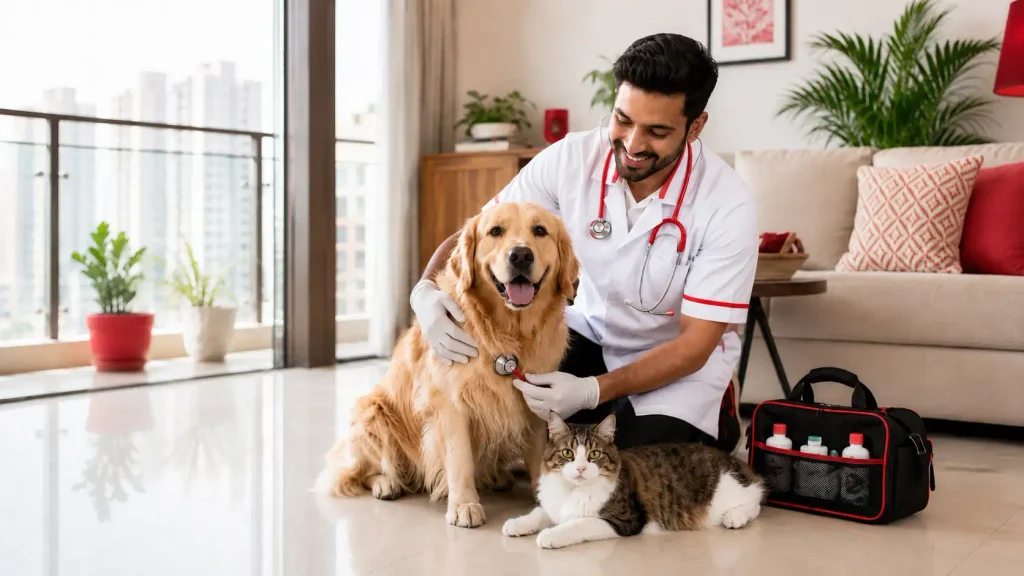
6. Give Clear Instructions to the Caregiver
Every pet has unique habits and preferences. Providing clear information can help the caregiver understand your pet better.
Let them know about:
- Your pet’s feeding schedule.
- Favorite activities and toys.
- Sleeping habits.
- Any fears or triggers.
- How they behave around other pets.
- Medication requirements.
- Emergency contacts.
The more the caregiver knows about your pet, the easier it can be to provide personalized care.
7. Keep Your Goodbye Calm and Positive
Pets can pick up on our emotions. A long or emotional goodbye may sometimes make the separation more stressful for them.
Try to keep your departure calm and positive. Trust the caregiver and allow your pet to settle into their new surroundings.
Once your pet gets comfortable, they can begin exploring their environment and following their normal routine.
8. Leave Emergency Contact Details
Always provide updated contact information before your pet’s stay.
Include:
- Your phone number.
- An alternate emergency contact.
- Your veterinarian’s details.
- Important medical information.
- Any medication instructions.
- Any special care requirements.
This ensures the caregiver knows who to contact if an unexpected situation occurs.
9. Choose a Safe and Reliable Pet Care Facility
Before leaving your pet, take some time to understand the facility and its services.
Look for a place that provides:
- Clean and safe surroundings.
- Trained and caring staff.
- Proper supervision.
- Suitable exercise and play areas.
- Clear feeding and medication procedures.
- Emergency support or veterinary assistance when required.
If possible, visit the facility beforehand so both you and your pet can become familiar with the environment.
10. Give Your Pet Time to Adjust
Every pet reacts differently to a new environment. Some pets may become comfortable immediately, while others may need more time.
Be patient and give your pet space to adjust. A familiar routine, caring supervision, and positive interaction can help make the transition smoother.

What to Do After Your Pet Comes Home
Your pet may be excited, tired, or slightly unsettled after returning home. Give them time to rest and return to their normal routine.
Continue their regular feeding, sleeping, walking, and play schedule. Keep an eye on their behavior and contact your veterinarian if you notice any concerning or unusual symptoms.
Most importantly, give them plenty of affection and reassurance. ❤️
Final Thoughts
Preparing your pet for a stay does not have to be complicated. A little planning, familiar belongings, clear instructions, and the right care environment can make a big difference.
When your pet feels safe and comfortable, you can enjoy your time away with greater peace of mind too.
Because every pet deserves a stay filled with comfort, care, safety, and plenty of love. 🐾
“When your pet feels at home, even a new place can become a happy place.” ❤️
Was this article helpful?
Your feedback helps us create better content.