

Keeping your pet clean and well-groomed is an important part of responsible pet care. Regular grooming not only helps your dog or cat look their best but can also support healthy skin, a clean coat, better hygiene, and overall comfort.
Grooming is also a wonderful opportunity to spend quality time with your furry companion. By making grooming a regular and positive experience, you can help your pet feel comfortable and cared for.
Here are 7 simple grooming tips every pet parent should know.

1. Brush Your Pet Regularly
Regular brushing helps remove loose fur, dirt, and dead skin from your pet’s coat. It can also help prevent tangles and mats, especially in pets with long or thick hair .
Right brushing frequency depends on your pet’s breed, coat type, and lifestyle. Short-haired pets may need brushing a few times a week, while long-haired pets may benefit from more frequent grooming.
Tip: Always use a brush that is suitable for your pet’s coat and brush gently to avoid irritating the skin.
2. Keep Their Bathing Routine Healthy
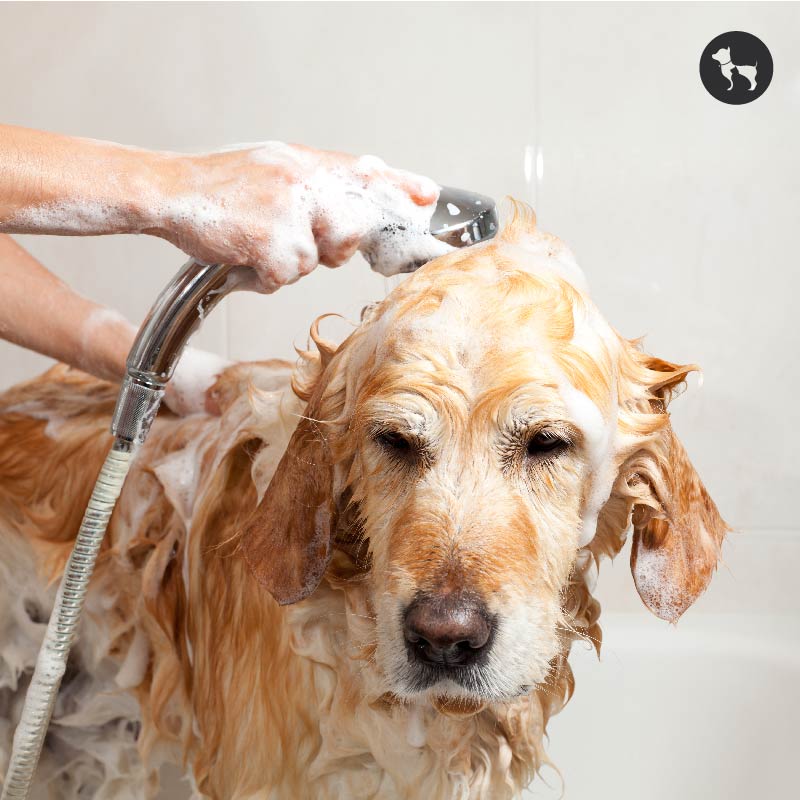
Bathing helps remove dirt, odors, and buildup from your pet’s skin and coat. However, pets generally do not need frequent baths unless recommended by a veterinarian or professional groomer.
Use pet-friendly shampoo rather than human shampoo, as human products may not be suitable for a pet’s skin.
Make bath time comfortable by using lukewarm water, keeping your pet secure, and thoroughly rinsing the shampoo from their coat.
3. Take Care of Their Nails
Overgrown nails can become uncomfortable and may affect the way your pet walks. In some cases, excessively long nails can even curl into the paw or cause injury.
Check your pet’s nails regularly and trim them carefully when needed. If you are unsure how to trim them safely, consider getting help from a professional groomer or veterinarian.
Remember: Never rush nail trimming. Keeping the experience calm can help your pet become more comfortable with it over time.
4. Check and Clean Their Ears
Your pet’s ears should be checked regularly for dirt, unusual odor, redness, swelling, or excessive wax.
Some pets, especially those with floppy ears or certain coat types, may be more prone to ear problems.
Clean your pet’s ears only with products recommended for pets, and avoid inserting anything deep into the ear canal. If you notice discharge, persistent scratching, head shaking, or signs of pain, consult your veterinarian.
5. Maintain Good Dental Hygiene
Dental care is often overlooked, but it is an important part of your pet’s overall health. Plaque and tartar can build up over time and may contribute to bad breath and dental problems.
Regular brushing with a pet-specific toothbrush and toothpaste can help maintain oral hygiene. Dental treats and veterinary-approved dental products may also support your pet’s dental care routine.
If you notice bleeding gums, difficulty eating, excessive drooling, or persistent bad breath, speak with your veterinarian.
“Grooming is more than keeping your pet looking good — it’s a simple way to show them care, comfort, and love.” 🐾❤️
6. Keep the Eyes and Face Clean
Some pets naturally develop tear stains or collect dirt around their eyes and face. Gently cleaning the area can help keep your pet comfortable and clean.
Use a soft, clean cloth or a pet-safe product recommended for the area. Be gentle around the eyes and avoid using products that could cause irritation.
If you notice persistent redness, swelling, unusual discharge, excessive tearing, or your pet frequently rubbing their eyes, contact a veterinarian.

7. Make Grooming a Positive Experience
Perhaps the most important grooming tip is to make the experience comfortable and stress-free.
Start grooming sessions slowly, especially if your pet is young or not used to being handled. Reward calm behavior with praise, affection, playtime, or appropriate treats.
Avoid forcing your pet through a grooming session if they are extremely stressed or frightened. If a particular grooming task is difficult, professional grooming support can make the experience easier for both you and your pet.
Simple Grooming Routine for Pet Parents
A consistent routine can make grooming easier. Depending on your pet’s needs, your routine may include:
- Daily: Quick coat and skin check.
- Several times a week: Brushing, depending on coat type.
- Regularly: Nail, ear, eye, and dental checks.
- When needed: Bathing and professional grooming.
- As recommended: Veterinary dental, skin, or health checkups.
Every pet is different, so grooming needs can vary based on breed, age, coat type, lifestyle, and health.
When Should You See a Professional?
Some grooming concerns should not be handled at home. Consider contacting a professional groomer or veterinarian if you notice:
- Severe matting or tangled fur.
- Skin redness, wounds, or unusual lumps.
- Persistent itching or hair loss.
- Ear discharge or strong odor.
- Dental pain or bleeding gums.
- Overgrown or injured nails.
- Any signs of pain or unusual behavior during grooming.
Professional grooming can be especially helpful for pets with difficult coats, anxiety during grooming, or specialized grooming requirements.
Final Thoughts
Regular grooming is an important part of keeping your pet comfortable, clean, and healthy. It doesn’t have to be complicated — small, consistent grooming habits can make a big difference over time.
More importantly, grooming gives you an opportunity to notice changes in your pet’s skin, coat, ears, eyes, teeth, and overall behavior early.
Take a little time to groom, check, and care for your furry friend. Because a well-groomed pet is not just a happy-looking pet — it’s a pet that feels loved and cared for.
“Healthy pets, happy homes, and a whole lot of love — it all starts with good care.” 🐾
Was this article helpful?
Your feedback helps us create better content.